
AR 4000
AR 4000 is an aged-residue grade: it is classified by viscosity at 60°C after rolling thin-film oven ageing (3,000–5,000 poise), which reflects how the binder behaves once it is in the pavement. It balances stiffness and flexibility, which is why it is one of the most widely specified grades for hot-mix asphalt in warm and temperate climates.

Where AR 4000 is used
Viscosity grade bitumen is classified by its viscosity at 60°C — the maximum pavement temperature — which predicts rutting performance more reliably than penetration alone.
- 01Hot-mix asphalt wearing and binder courses
- 02National and urban road construction and resurfacing
- 03Road maintenance and overlay programmes
- 04Industrial and commercial paving
Conforms to AASHTO M226 (Table 3)
Supplied to AASHTO M226 Table 3. Grading is performed on the RTFOT residue; flash point is tested on the original binder.
Typical specifications — AR 4000
| Property | Unit | Min | Max | Test method |
|---|---|---|---|---|
| Tests on residue from RTFOT (AASHTO T240) | ||||
| Viscosity at 60°C | Poise | 3000 | 5000 | AASHTO T202 |
| Kinematic viscosity at 135°C | cSt | 275 | – | AASHTO T201 |
| Penetration at 25°C | 0.1 mm | 25 | – | AASHTO T49 |
| Percent of original penetration | % | 45 | – | AASHTO T49 |
| Ductility at 25°C | cm | 75 | – | AASHTO T51 |
| Tests on original binder | ||||
| Flash point (COC) | °C | 227 | – | AASHTO T48 |
| Solubility in trichloroethylene | % | 99.0 | – | AASHTO T44 |
Typical values based on AASHTO M226 (Table 3). The binding specification for each cargo is the certificate of analysis issued at loading. Custom specifications are available on request.
Storing AR 4000

Temperature: Keep paving grades between roughly 140°C and 170°C in working tanks, and store at the lower end for long holds. Avoid repeated heat-up and cool-down cycles.

Tanks: Use insulated, heated steel tanks with a closed vent system. Dedicate a tank to one grade, or clean it fully between grades to avoid cross-contamination.

Safety: Water and hot bitumen must never meet, because it causes violent foaming. Use heat-resistant PPE, and keep a dry, ventilated area with no ignition sources near the vents.
Shelf life: Bitumen hardens slowly under prolonged heat. Rotate stock, avoid holding it at peak temperature, and re-test before use after long storage.
How we ship AR 4000


Get a price for AR 4000
Tell us the quantity and destination port. We'll send you a written offer today.
- No cost to ask
- FOB · CIF · CFR · DAP
- LC, SBLC or TT against documents
AR 4000: common questions
What is AR 4000?+
AR 4000 is an aged-residue grade: it is classified by viscosity at 60°C after rolling thin-film oven ageing (3,000–5,000 poise), which reflects how the binder behaves once it is in the pavement. It balances stiffness and flexibility, which is why it is one of the most widely specified grades for hot-mix asphalt in warm and temperate climates.
What is AR 4000 used for?+
AR 4000 is mainly used for: hot-mix asphalt wearing and binder courses; national and urban road construction and resurfacing; road maintenance and overlay programmes; industrial and commercial paving.
Which standard does WGV's AR 4000 meet?+
Supplied to AASHTO M226 Table 3. Grading is performed on the RTFOT residue; flash point is tested on the original binder.
How is AR 4000 shipped?+
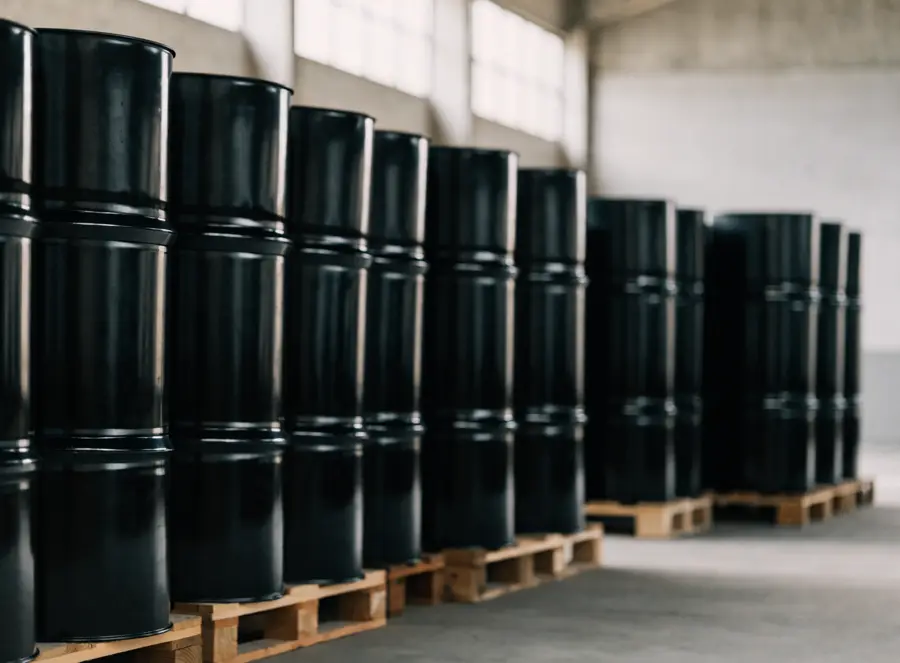
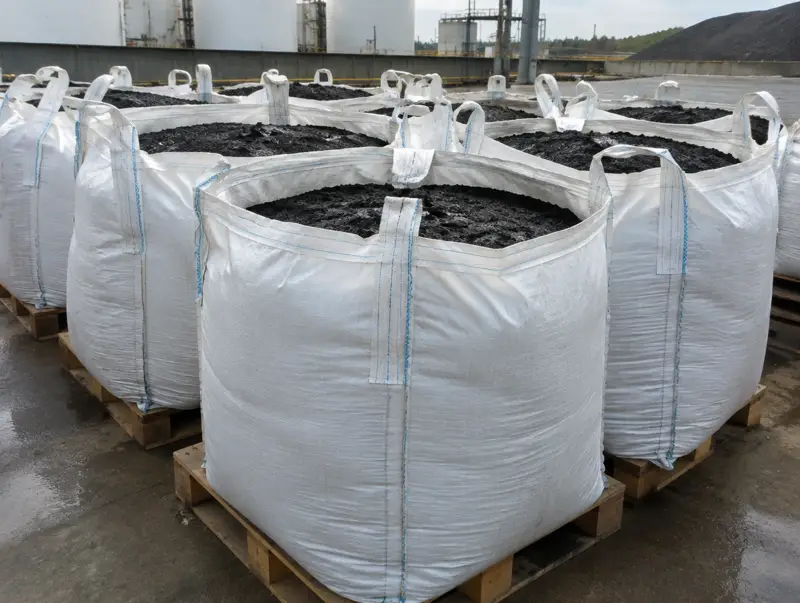
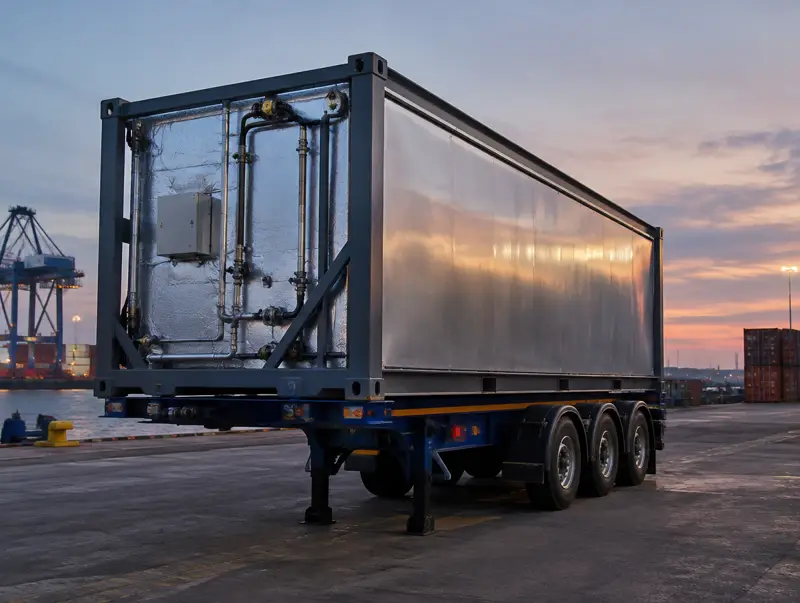
WGV Oil Trading ships AR 4000 by steel drums, jumbo bags, bitutainer or bulk, on FOB, CIF, CFR or DAP terms. Every cargo is inspected at the load port by SGS, Intertek or an equivalent independent inspector.
How do I get a price for AR 4000?+
Send the quantity, destination port, preferred Incoterms and timing through the quote form on this page, by WhatsApp on +34 663 192 105, or by email to sales@wgvoiltrading.com. WGV Oil Trading replies with a written offer the same day. Payment is by documentary LC, SBLC or TT against documents.