
Naphtha
Naphtha is a light distillate used mainly as petrochemical cracker feedstock and as a gasoline blending component. Open-spec (full-range) naphtha is the most widely traded grade; light and heavy cuts are supplied for specific cracker and reformer needs.

Naphtha grades we supply
Where Naphtha is used
Naphtha is supplied as: Open-spec naphtha (full range), Light naphtha, Heavy naphtha. Grades and specifications can be matched to your destination market on request.
- 01Steam cracker feedstock for ethylene and propylene
- 02Catalytic reformer feed
- 03Gasoline blending
- 04Solvent and chemical manufacturing
Conforms to Open-spec naphtha (ASTM methods)
Supplied to open-spec naphtha (OSN) parameters, tested to ASTM methods for density, paraffins, olefins, sulphur, vapour pressure and distillation.
Typical specifications — Naphtha
| Property | Unit | Min | Max | Test method |
|---|---|---|---|---|
| Density at 15°C | kg/l | 0.650 | 0.740 | ASTM D4052 |
| Total paraffins | % vol | 65 | – | ASTM D5134 |
| Olefins | % vol | – | 1 | ASTM D1319 |
| Sulphur | ppm wt | – | 650 | ASTM D2622 |
| Reid vapour pressure | psi | – | 12 | ASTM D323 |
| Final boiling point | °C | – | 204 | ASTM D86 |
| Lead | ppb | – | 100 | ASTM D3237 |
| Colour (Saybolt) | – | 20 | – | ASTM D156 |
Typical values based on Open-spec naphtha (ASTM methods). The binding specification for each cargo is the certificate of analysis issued at loading. Custom specifications are available on request.
Storing Naphtha

Tanks: Store in clean, dedicated steel tanks with floating or fixed roofs and vapour control. Drain water bottoms regularly.

Fire safety: Flammable liquid: keep away from ignition sources, earth and bond equipment during transfers, and keep firefighting equipment on site.

Contamination: Keep grades segregated, use clean lines and hoses, and sample on receipt to confirm the product matches the certificate.
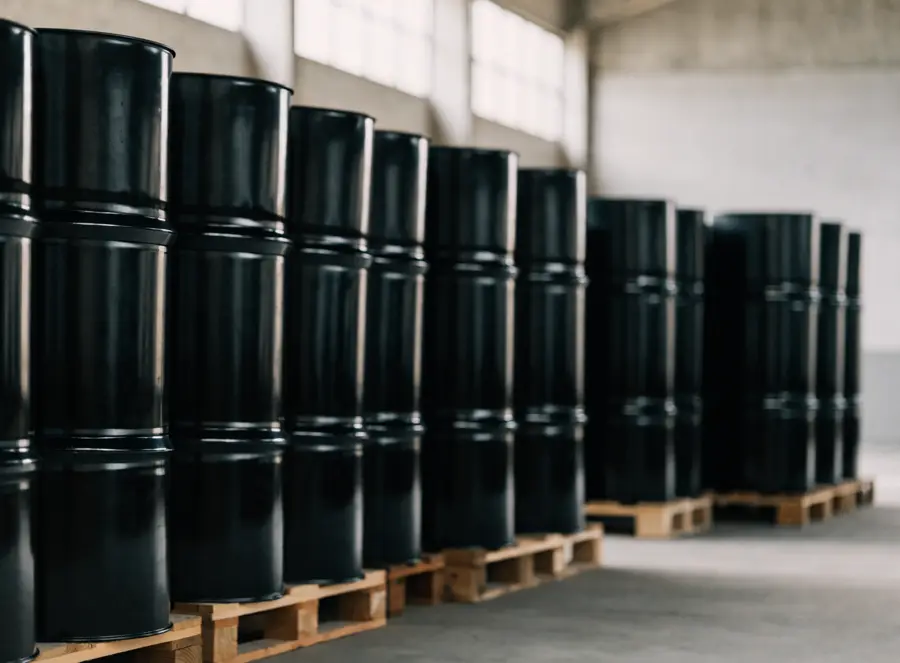
Shelf life: Use stock in rotation. Long storage can lead to oxidation, water pick-up and microbial growth in middle distillates.
How we ship Naphtha

Get a price for Naphtha
Tell us the quantity and destination port. We'll send you a written offer today.
- No cost to ask
- FOB · CIF · CFR · DAP
- LC, SBLC or TT against documents
Naphtha: common questions
What is Naphtha?+
Naphtha is a light distillate used mainly as petrochemical cracker feedstock and as a gasoline blending component. Open-spec (full-range) naphtha is the most widely traded grade; light and heavy cuts are supplied for specific cracker and reformer needs.
What is Naphtha used for?+
Naphtha is mainly used for: steam cracker feedstock for ethylene and propylene; catalytic reformer feed; gasoline blending; solvent and chemical manufacturing.
Which standard does WGV's Naphtha meet?+
Supplied to open-spec naphtha (OSN) parameters, tested to ASTM methods for density, paraffins, olefins, sulphur, vapour pressure and distillation.
How is Naphtha shipped?+
WGV Oil Trading ships Naphtha by tanker vessel, on FOB, CIF, CFR or DAP terms. Every cargo is inspected at the load port by SGS, Intertek or an equivalent independent inspector.
How do I get a price for Naphtha?+
Send the quantity, destination port, preferred Incoterms and timing through the quote form on this page, by WhatsApp on +34 663 192 105, or by email to sales@wgvoiltrading.com. WGV Oil Trading replies with a written offer the same day. Payment is by documentary LC, SBLC or TT against documents.