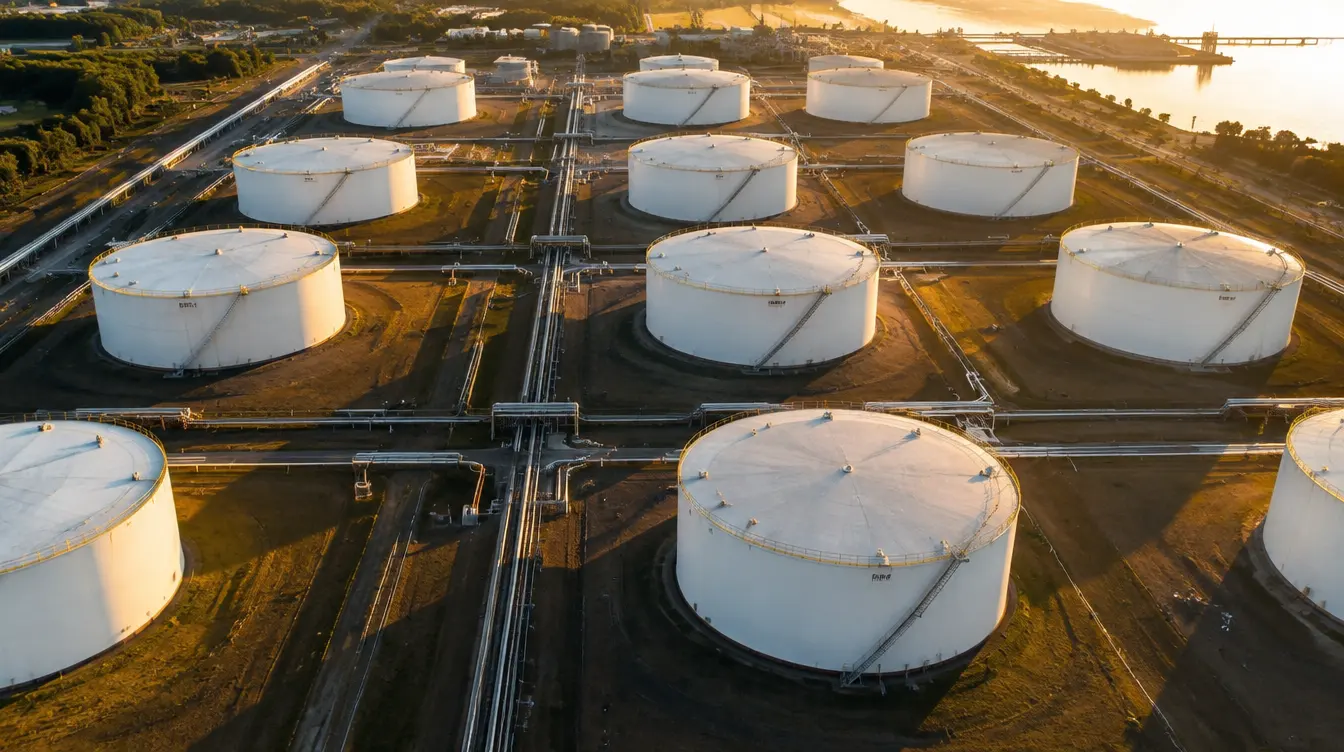
LPG
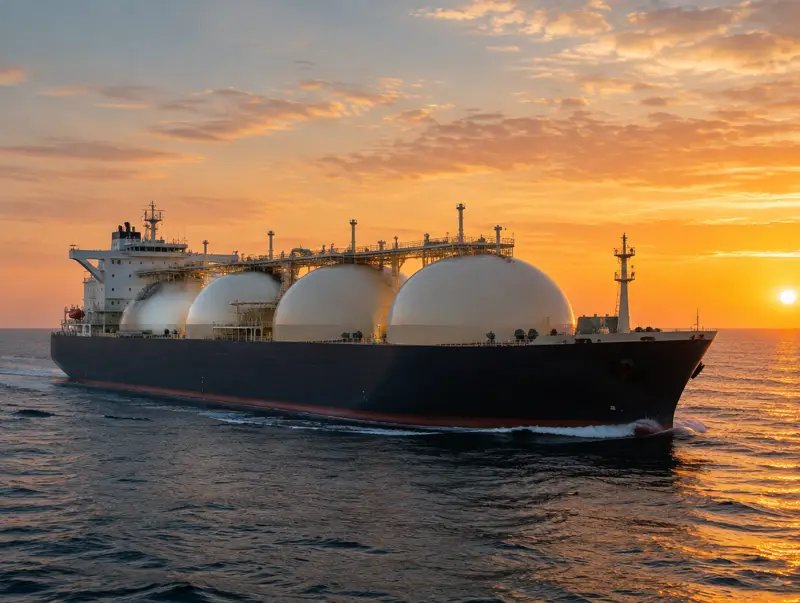
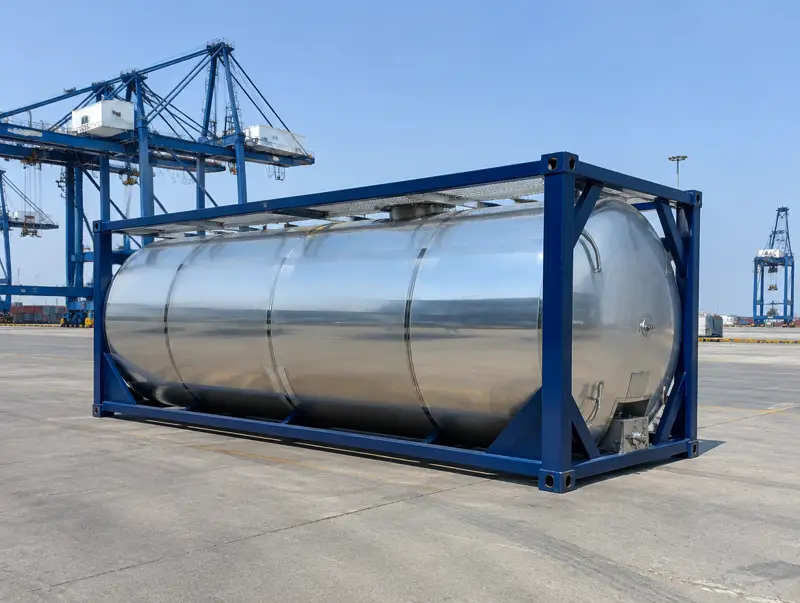
Liquefied petroleum gas (LPG) is supplied as commercial propane, commercial butane or a propane/butane mix to the ratio the destination market uses. Cargoes ship refrigerated on gas carriers or pressurised in ISO tanks for smaller volumes.
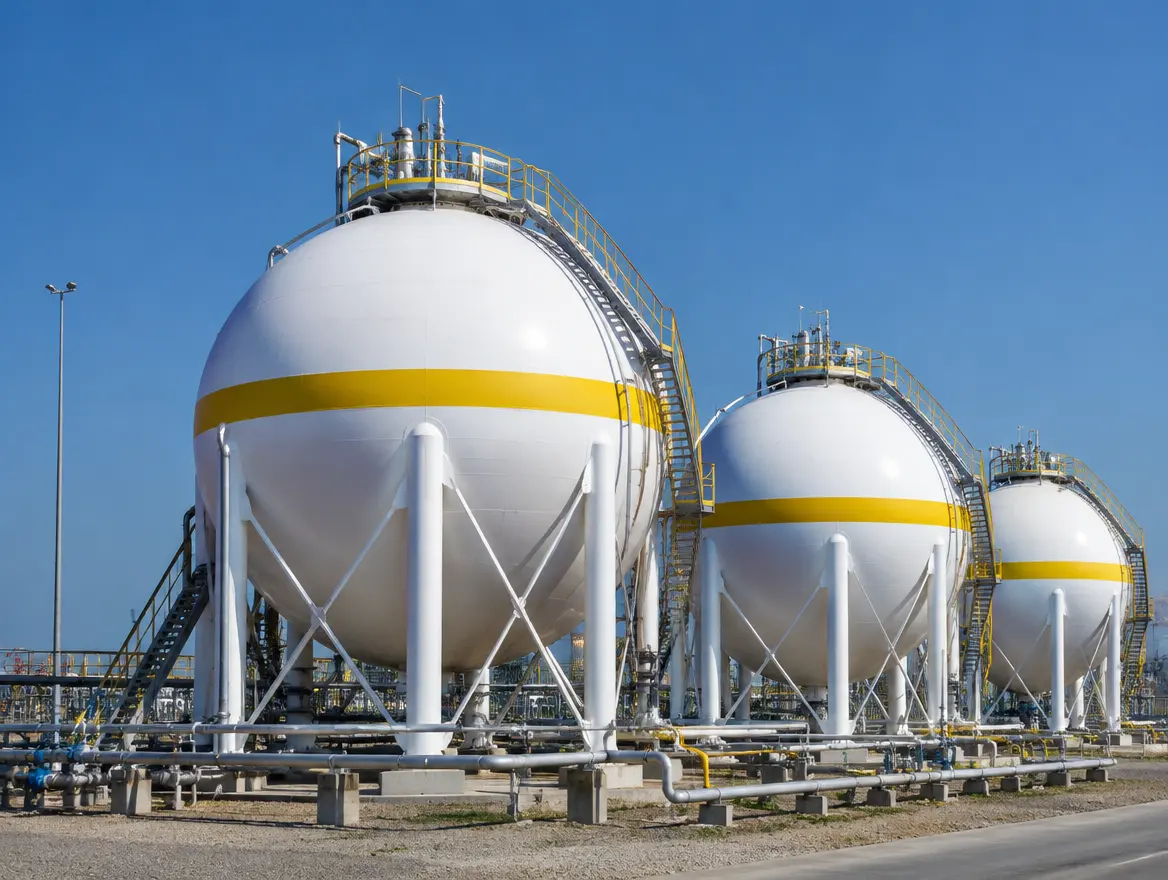
LPG grades we supply
Where LPG is used
LPG is supplied as: Commercial propane, Commercial butane, Propane/butane mix (e.g. 30/70, 50/50). Grades and specifications can be matched to your destination market on request.
- 01Domestic cooking and heating cylinders
- 02Commercial and industrial heating
- 03Autogas for vehicles
- 04Petrochemical feedstock
Conforms to EN 589 · ASTM D1835
Supplied to EN 589 or ASTM D1835 / GPA 2140. Tested for composition, vapour pressure, sulphur, H₂S, copper strip corrosion and residue.
Typical specifications — LPG
| Property | Unit | Min | Max | Test method |
|---|---|---|---|---|
| Propane content (commercial propane) | % mol | 95 | – | ASTM D2163 |
| Vapour pressure at 40°C | kPa | – | 1550 | EN ISO 8973 / ASTM D1267 |
| Total sulphur (after odorisation) | mg/kg | – | 50 | EN 24260 / ASTM D6667 |
| Hydrogen sulphide | – | Negative | – | EN ISO 8819 |
| Copper strip corrosion (1 h, 40°C) | class | – | 1 | EN ISO 6251 |
| Dienes (as 1,3-butadiene) | % mol | – | 0.5 | EN 27941 |
| Evaporation residue | mg/kg | – | 60 | EN 15470 |
| Free water | – | None | – | Visual |
| Motor octane number | – | 89 | – | EN 589 Annex B |
Typical values based on EN 589 · ASTM D1835. The binding specification for each cargo is the certificate of analysis issued at loading. Custom specifications are available on request.
Storing LPG

Pressure: Store in certified pressure vessels or spheres, or refrigerated tanks for large volumes, kept within design limits.
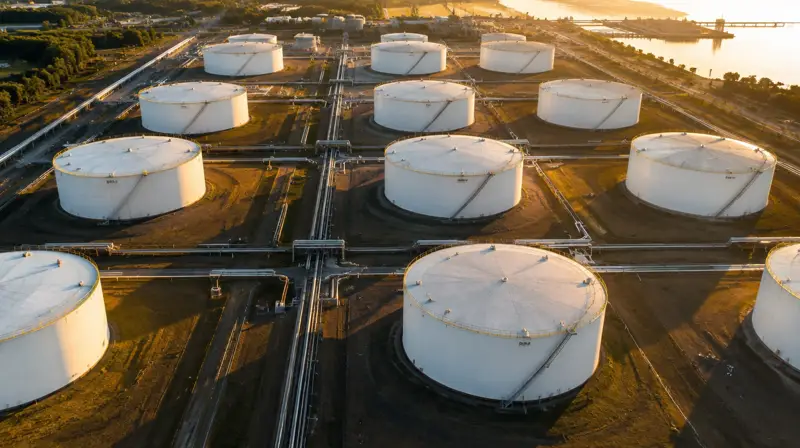
Containers: Use only approved cylinders, ISO gas tanks and bullets, with pressure relief valves inspected on schedule.
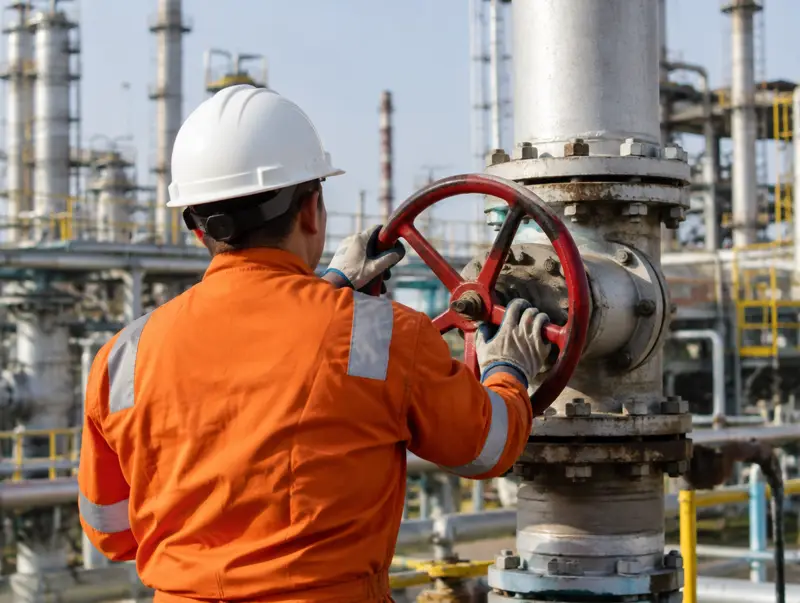
Safety: LPG is heavier than air: keep storage areas ventilated at low level, with gas detection and no ignition sources.

Handling: Odorise before distribution, and never overfill: leave vapour space for thermal expansion.
How we ship LPG
Get a price for LPG
Tell us the quantity and destination port. We'll send you a written offer today.
- No cost to ask
- FOB · CIF · CFR · DAP
- LC, SBLC or TT against documents
LPG: common questions
What is LPG?+
Liquefied petroleum gas (LPG) is supplied as commercial propane, commercial butane or a propane/butane mix to the ratio the destination market uses. Cargoes ship refrigerated on gas carriers or pressurised in ISO tanks for smaller volumes.
What is LPG used for?+
LPG is mainly used for: domestic cooking and heating cylinders; commercial and industrial heating; autogas for vehicles; petrochemical feedstock.
Which standard does WGV's LPG meet?+
Supplied to EN 589 or ASTM D1835 / GPA 2140. Tested for composition, vapour pressure, sulphur, H₂S, copper strip corrosion and residue.
How is LPG shipped?+
WGV Oil Trading ships LPG by gas carriers or iso gas tanks, on FOB, CIF, CFR or DAP terms. Every cargo is inspected at the load port by SGS, Intertek or an equivalent independent inspector.
How do I get a price for LPG?+
Send the quantity, destination port, preferred Incoterms and timing through the quote form on this page, by WhatsApp on +34 663 192 105, or by email to sales@wgvoiltrading.com. WGV Oil Trading replies with a written offer the same day. Payment is by documentary LC, SBLC or TT against documents.